Soft Washing vs Pressure Washing: Why Low Pressure Saves Your Tiles

You've seen the videos. A jet washer blasts a filthy roof and the moss peels off in a satisfying stripe. It looks great, but your tiles might not thank you for it.

There are two very different ways to clean a Nottingham roof, and the choice matters more than most people think. One is fast and forceful. The other is slower and a lot kinder.

The quick answer: Soft washing uses low-pressure water and a biocide to kill moss and algae at the root, and it's the safe choice for almost every roof. Pressure washing blasts growth off with sheer force, but it can crack tiles, split slate and strip protective surfaces, so it's the risky option.

1. What soft washing actually is

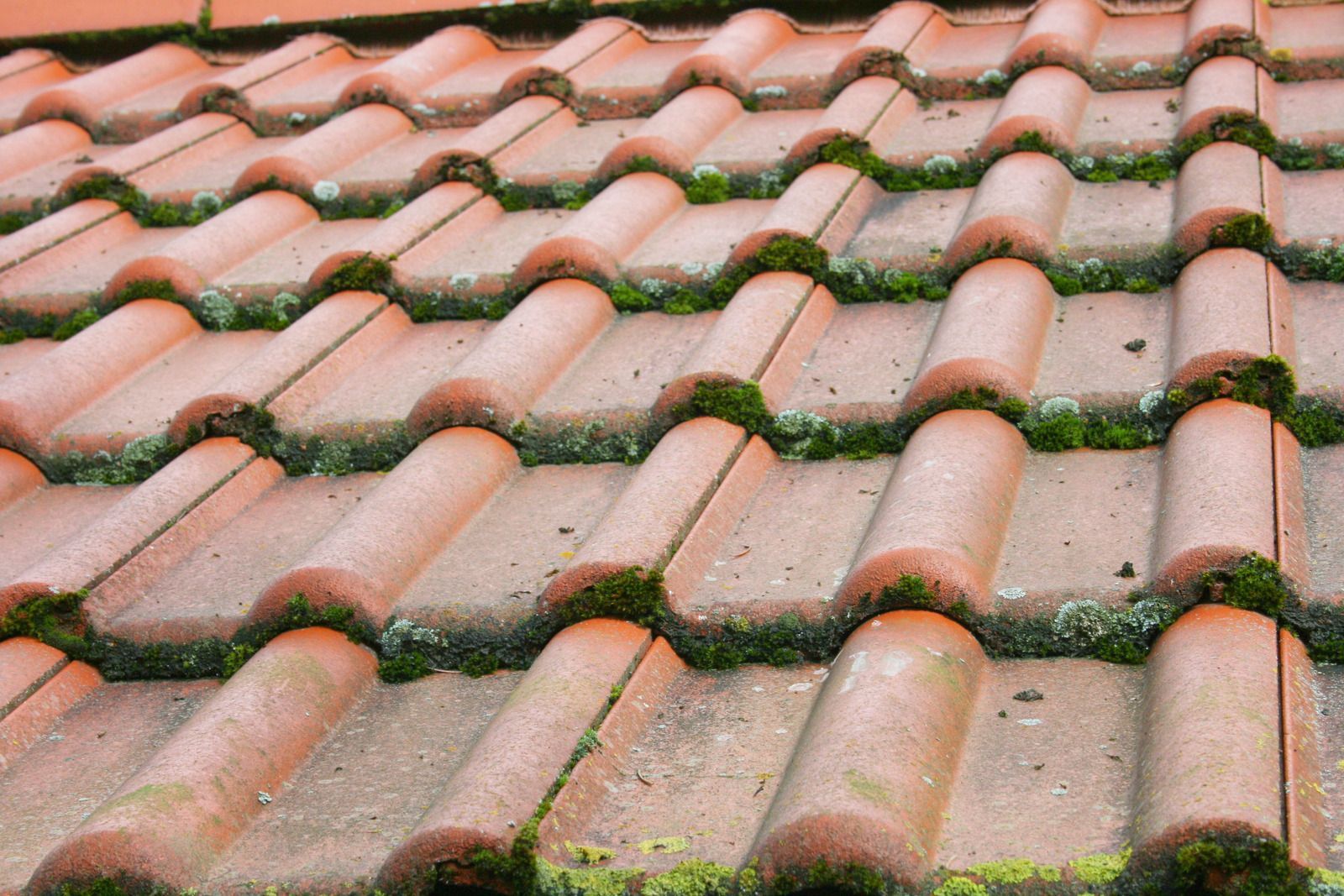
Soft washing is low pressure by design. Instead of relying on force, it uses a treatment that kills the moss, algae and lichen, then lets nature clear the dead growth away.

The water pressure is gentle, closer to a heavy garden hose than a jet. The biocide does the heavy lifting, working into the growth and killing it at the root.

It's the same method whether you've got Victorian clay in Sneinton or a 1970s concrete roof out in Bilborough. The covering changes, the gentle approach doesn't.

2. What pressure washing does to a roof

Pressure washing forces water out at very high speed. On a patio that's fine. On a roof it's a different story.

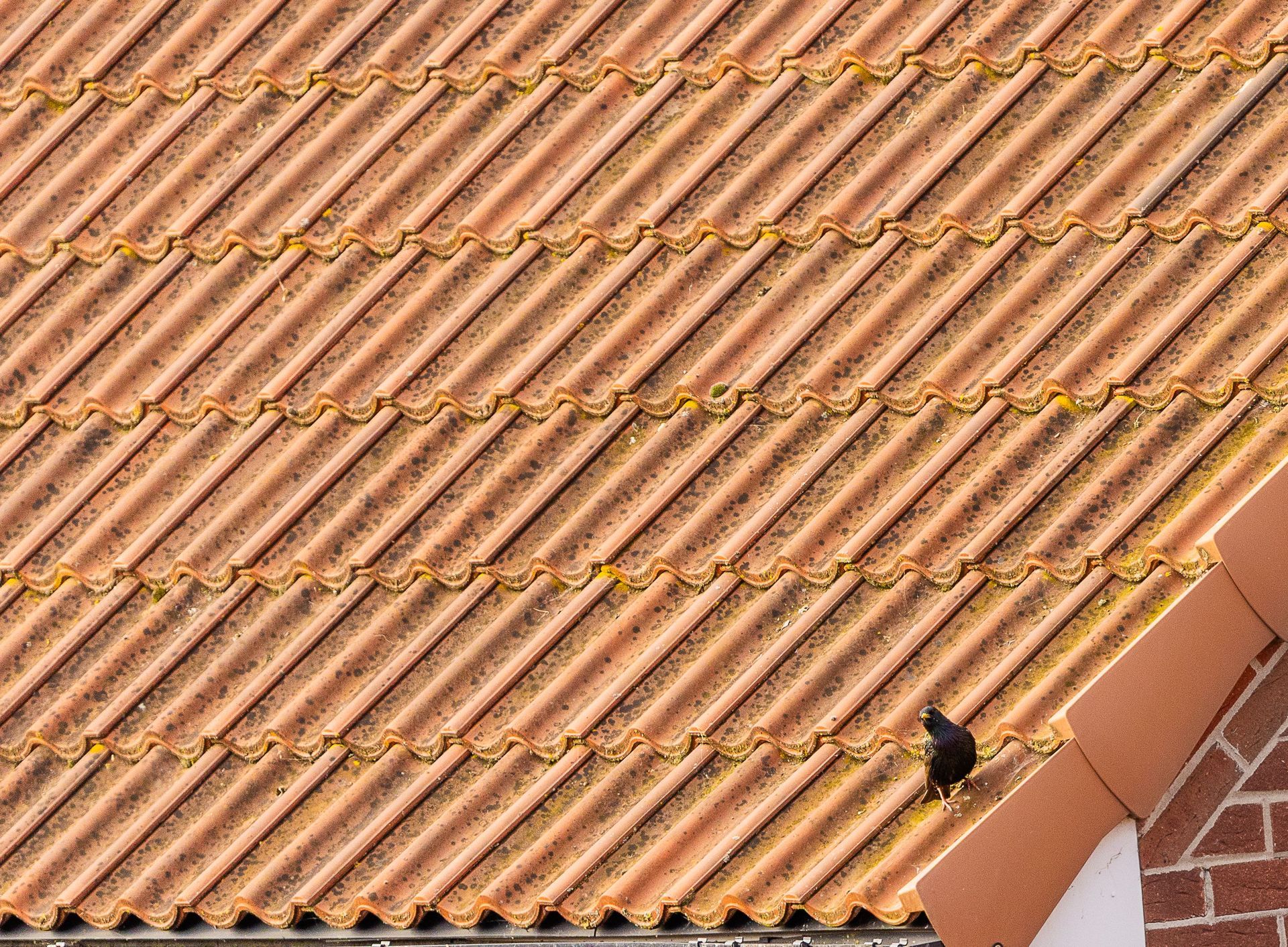
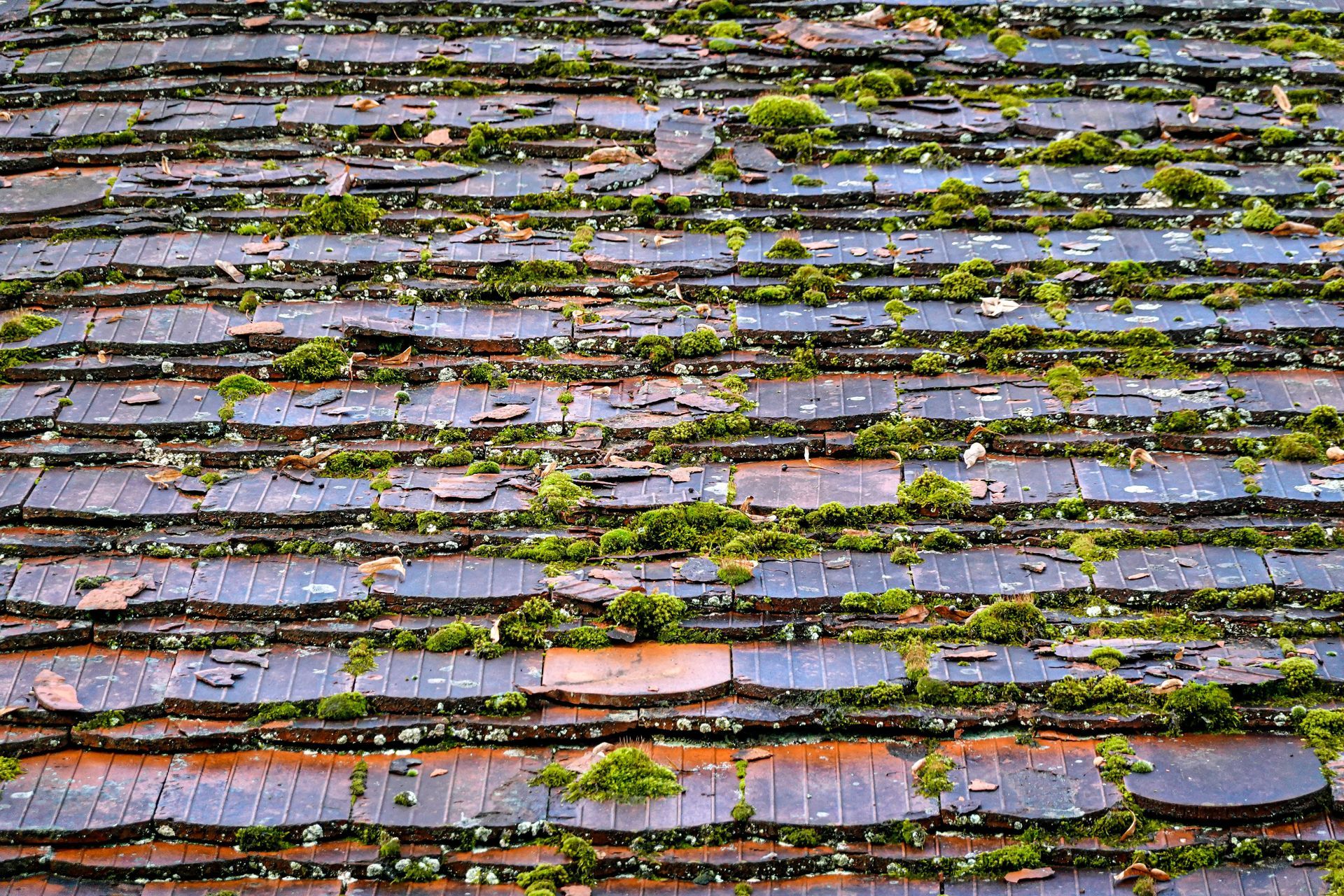
That force chips the faces of clay tiles, splits slate along its layers, and strips the coating off concrete tiles. Once those surfaces are gone, the tile soaks up water faster and wears out sooner.

And it can drive water up under the tiles, past the laps that are meant to keep rain out. You can end up with damp inside from a clean that was supposed to help.

3. Why Nottingham's older roofs are especially at risk

So much of this city's housing is Victorian. The terraces around Hyson Green, Forest Fields and the Meadows carry clay tiles and slate that have already aged for a hundred years or more.

Old tiles are more brittle and their surfaces are already worn. They simply can't take the hammering that a jet wash dishes out.

Blasting a century-old slate roof is asking for cracked and slipped tiles. I've seen it happen, and the repair bill dwarfs what a gentle wash would have cost.

4. Why the moss keeps coming back after a pressure wash

Here's the part people miss. A jet wash blasts the visible moss off, but it leaves the roots and spores behind on the tile.

Those roots are still alive. In Nottingham's damp valley air, they start growing back almost straight away, so the roof greens up again within a season or two.

Soft washing kills the growth at the root with biocide. That's why a proper soft wash stays clear far longer than a quick blast ever will.

5. The safety side of it

High-pressure work on a roof means dragging heavy hoses across slippery tiles at height. It's awkward and it's risky, both for the tiles and the person up there.

Soft washing can often be done with less time spent scrambling around on fragile tiles, because the treatment does the work over the following weeks. Less force, less walking about, less chance of damage.

That matters on a steep Nottingham terrace with no easy roof access. Gentle beats forceful when you're three storeys up.

6. When a little more force is fair enough

I won't pretend pressure has no place at all. Hard surfaces like a concrete drive or a paved yard can take a proper wash, and sometimes that's the right tool.

But a roof is not a driveway. The tiles are thinner, older and doing a job that a patio never has to, which is keeping the rain out of your house.

  • Soft washing: low pressure plus biocide, safe for clay, slate and concrete.
  • Pressure washing: high force, quick to look clean, but hard on old tiles.
  • Regrowth: soft washing kills the roots, so it stays clear far longer.
  • Water ingress: a jet can drive water under the tiles and cause damp.
  • Best use of pressure: hard ground surfaces, not the roof itself.

Frequently Asked Questions

Is soft washing strong enough to clean a really mossy roof?
Yes. The biocide kills even thick moss at the root, and the dead growth loosens and weathers away over the following weeks without needing brute force.

Won't a pressure wash give me a cleaner result on the day?
It can look cleaner immediately, but it also risks cracks, stripped surfaces and water getting under the tiles. Soft washing gets you a clean roof without that gamble.

Why does my roof go green again so fast after a jet wash?
Because pressure only removes the visible moss and leaves the living roots behind. In Nottingham's damp air those roots regrow quickly.

Can pressure washing really cause leaks?
It can. High-pressure water can be forced up under the tile laps and past the seals meant to keep rain out, which can lead to damp inside.

Is soft washing safe for old Victorian slate?
It's the safest option for it. Slate splits under high pressure, so the gentle low-pressure method is exactly what those old roofs need.

Want your roof cleaned without the risk of a jet wash?
Ben's Roof Cleaning works across Nottingham and Nottinghamshire, with over 15 years of experience. Get in touch or call 0115 667 2296 for a free, no-obligation quote.

Gentle wins on a roof every time

Pressure washing looks impressive for an afternoon, but it can cost you tiles, surfaces and even a dry ceiling. Soft washing takes a bit longer and treats the roof with the care it needs.

On Nottingham's old clay and slate, that difference is huge. Kill the moss at the root, protect the tiles, and let the roof do its job for years more.

By Ben's Roof Cleaning August 22, 2026
Not sure if your Nottingham roof needs cleaning? Here are the real signs to watch, from moss and dark streaks to blocked gutters, and when to leave it alone.
By Ben's Roof Cleaning August 22, 2026
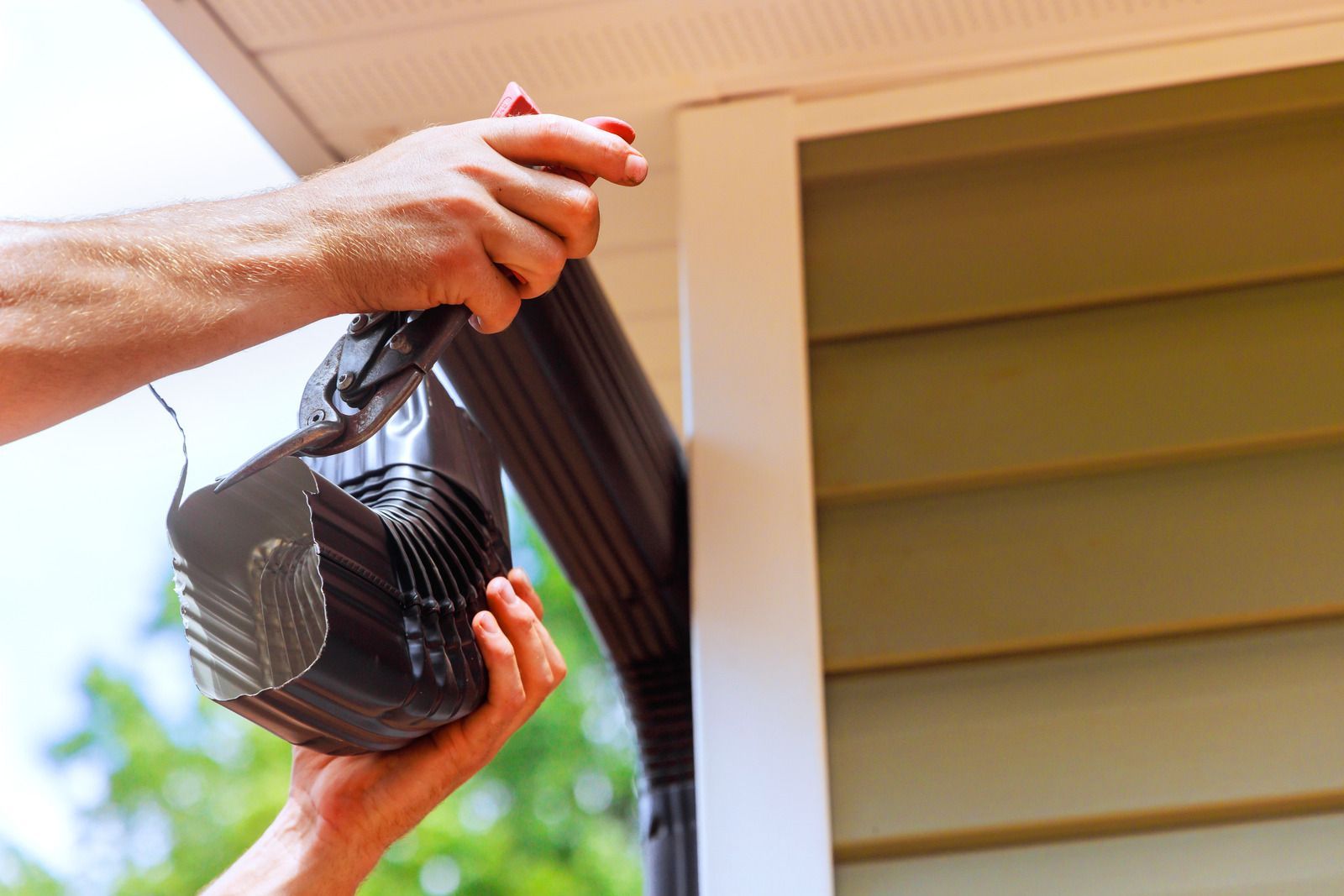
Blocked gutters cause damp walls, rot and leaks on Nottingham homes. Learn the damage clogged gutters do and why regular gutter cleaning protects your house.
By Ben's Roof Cleaning August 22, 2026
Why does your Nottingham roof grow so much moss? Trent valley damp, shady slopes and porous tiles all play a part. Here's what feeds it and how to slow it.
Show More