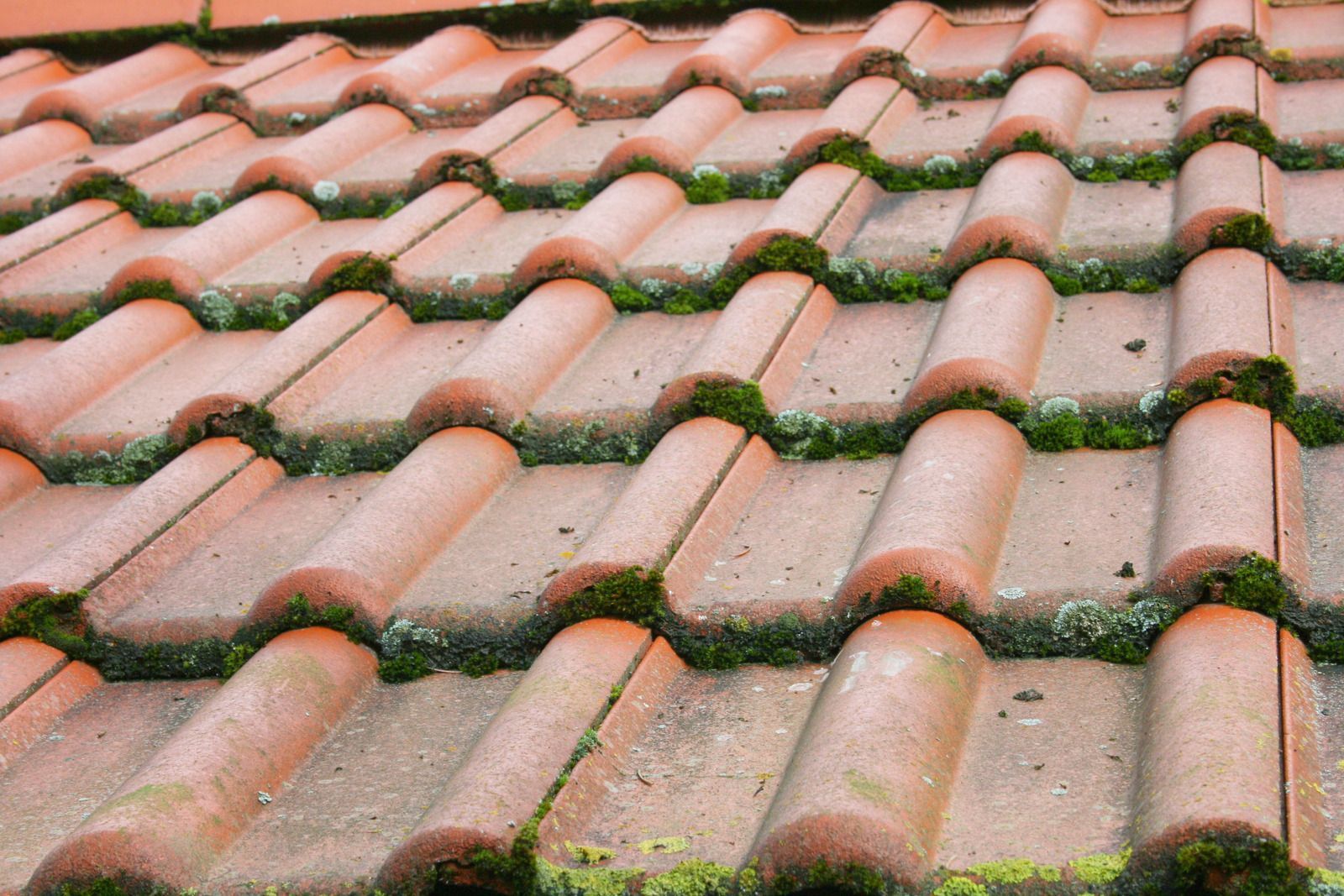
Why Nottingham Roofs Grow So Much Moss: Damp, Shade and North Slopes
If your roof looks greener every year, you're not imagining it. Nottingham gives moss almost everything it needs to thrive, and your house is sitting right in the middle of it.
Some roofs stay clear for years. Others turn into a green carpet fast. The difference usually comes down to damp, shade and which way the slope faces.
The quick answer: Nottingham roofs grow moss because the Trent valley air stays damp, plenty of slopes face north or sit under trees, and older clay and concrete tiles hold water in their surface. Moss needs moisture and shade, and a lot of local roofs offer both.
1. The Trent valley keeps the air damp
Nottingham sits low in the valley of the River Trent. Water sits nearby, mist settles in the mornings, and the ground holds moisture longer than it does up on higher, drier land.
Moss doesn't have roots that drink from soil. It pulls moisture straight out of the air and off wet surfaces. So a damp valley setting feeds it every single day.
That's the base ingredient. Add a roof that dries slowly and you've got a moss factory.
2. North-facing slopes barely see the sun
Look at two sides of the same Nottingham roof and you'll often see a clear split. The south side stays fairly clean while the north side is thick with green.
The reason is simple. A north-facing slope gets very little direct sun, so it stays damp for hours longer after rain or dew. Moss gets the wet, shady spot it wants.
And in winter, when the sun sits low over the city, that north pitch can go days without properly drying out. Growth just keeps building.
3. Trees and shade do the same job
Nottingham has a lot of leafy older suburbs, from The Park to the tree-lined streets around Mapperley and Sherwood. Big mature trees are lovely to live under, but they cast long shade across roofs.
Shade keeps a roof cool and wet, which is exactly what moss wants. Overhanging branches also drop leaves and sap into the tiles, and that rotting mess feeds the growth even more.
It's my view that tree-shaded roofs are the fastest to green up in the whole city. If you've got branches over your tiles, expect to see moss return quicker.
4. Older tiles hold water in their face
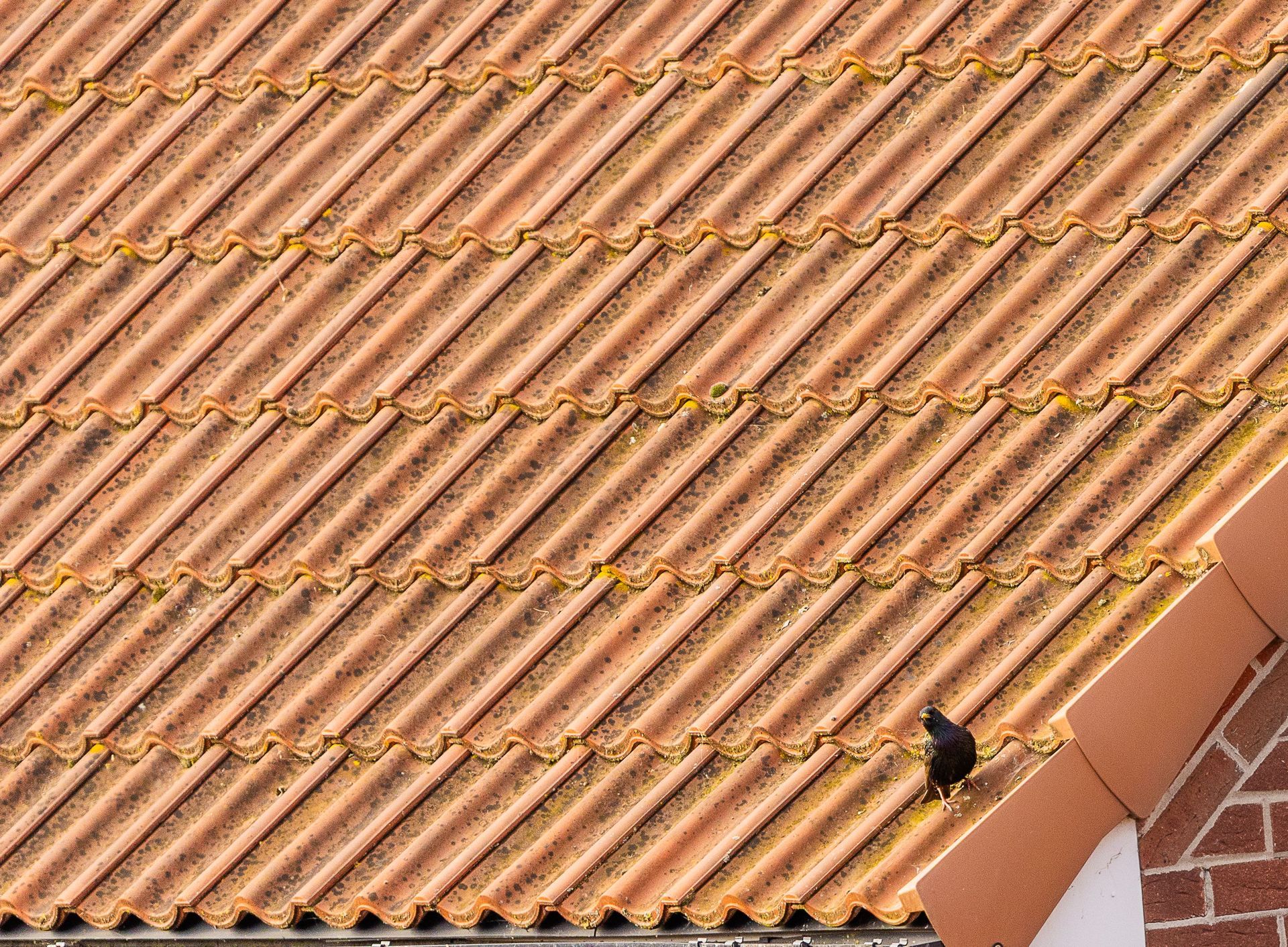
Those red-brick Victorian terraces around Radford and Hyson Green wear clay tiles that have aged for a century or more. As clay ages, its surface turns slightly porous and starts holding water.
Concrete tiles on the post-war estates do a similar thing once their coating wears off. The rough, open surface grabs moisture and gives moss spores something to grab onto.
A brand new glazed tile sheds water and stays fairly clean. An old worn one holds it, and that's half the battle lost.
5. Blocked gutters make the top of the roof wetter
When a gutter fills with leaves and old moss, water backs up and spills across the lower tiles instead of draining away. That bottom edge stays soaked.
A soaked lower course is prime moss territory. It's why you'll often see the heaviest growth along the very bottom rows of tiles, right above a tired gutter.
So moss and blocked gutters feed each other. Clumps fall off the roof, block the gutter, and the wet that follows grows more moss.
6. What actually slows it down
You can't change Nottingham's damp air or move your house out of the valley. But you can change how long your roof stays wet and how easily moss takes hold.
A proper soft wash with biocide kills the growth at the root and keeps the surface clear for far longer than scraping alone. Keeping gutters clear and branches trimmed back helps the roof dry.
- Damp valley air: the constant you can't change, so focus on drying time instead.
- North-facing slopes: expect faster regrowth and check them more often.
- Overhanging trees: trim branches back to let sun and air reach the tiles.
- Worn tiles: soft washing clears the growth without wrecking the surface.
- Blocked gutters: clear them so the lower tiles can drain and dry.
Frequently Asked Questions
Why is one side of my roof green and the other side clean?
The green side almost always faces north or sits in shade. It stays damp far longer after rain, and that lingering moisture is what moss needs to grow.
Does moss actually harm the roof or is it just ugly?
It does harm. Moss holds water against the tiles, its roots work into worn surfaces, and clumps break off and block gutters, which then keeps the roof even wetter.
Will cutting back my trees stop the moss?
It won't stop it completely, but it helps a lot. More sun and air movement means the roof dries faster, and a drier roof grows moss more slowly.
Why does the bottom row of tiles have the most moss?
That edge usually stays wettest, especially if the gutter below is blocked and water is backing up onto the tiles instead of draining away.
If I clean it, how long before the moss comes back?
It depends on shade and tree cover, but a biocide soft wash keeps growth away far longer than scraping, which leaves live roots behind to regrow.
Tired of watching your roof turn green every year?
Ben's Roof Cleaning works across Nottingham and Nottinghamshire, with over 15 years of experience. Get in touch or call 0115 667 2296
for a free, no-obligation quote.
Nottingham's damp gives moss a head start
Between the valley air, the shady slopes and the ageing tiles, this city hands moss a real advantage. That's not bad luck, it's just the local conditions doing their thing.
Once you know what feeds it, you can stay ahead of it. Keep the roof draining, let it dry, and treat the growth properly when it turns up.