Nottingham Roof Coverings: Clay Tiles, Pantiles and Slate Cleaned Safely
Look up at your roof and you'll likely spot one of three things across Nottingham: red clay tiles, curvy pantiles, or grey slate. Each one behaves differently, and each one wants a different touch when it's time for a clean.
Get it wrong and you can crack a tile or wear the face off slate. So knowing what sits over your head matters before anyone climbs up there.
The quick answer: Every common Nottingham roof covering should be cleaned with low-pressure soft washing, not a jet wash. Clay tiles, pantiles and slate all cope well with gentle water and a biocide, but high pressure can crack them or strip their surface for good.
1. Red clay plain tiles, the local classic
Walk through Sneinton, Lenton or Radford and you'll see street after street of red-brick Victorian terraces topped with small red clay tiles. They were made from local clay and they've weathered Nottingham's damp air for well over a century.
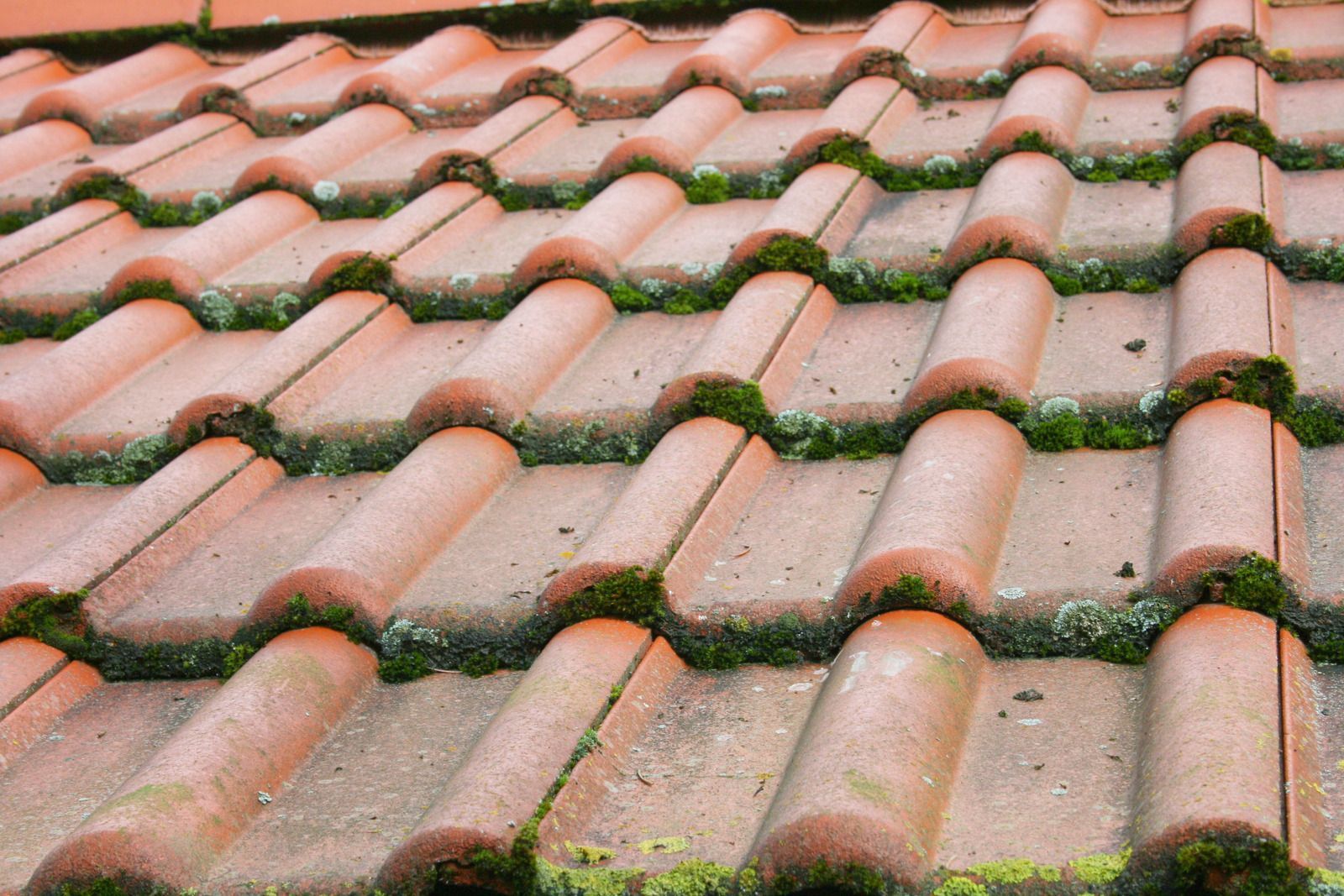
Clay tiles are tough, but they're not soft. Older ones get a slightly porous face as they age, and that face holds moisture. Moss loves it.
You can clean them, but gently. Scrubbing hard or blasting them wears down that outer skin and lets water soak in faster than before.
2. Pantiles and their S-shaped curves
Pantiles are the wavy ones. They've been a Trent valley tradition for generations, and you'll find them on older Nottinghamshire houses and farm buildings well beyond the city edge.
That S-shape sheds water fast, which is handy. But the troughs between the curves trap leaves, grit and moss, so they need clearing more than a flat tile does.
And because each pantile only overlaps its neighbour by a little, standing on them the wrong way cracks them. This is a covering you clean from a ladder or roof, not by walking about.
3. Natural slate on the old terraces
A lot of Nottingham's Victorian slate came down from Wales by rail once the Midland Railway opened up the routes. It's thin, it's strong, and it can last well past a hundred years if it's left alone.
Slate doesn't grow moss as fast as clay does, because its surface is harder and less porous. What it does get is a black algae film and lichen spots, especially on shaded slopes.
Here's my honest opinion. Slate is the covering people damage most with pressure washers, because it looks solid so folk assume it can take a beating. It can't. The layers split.
4. Concrete tiles on the newer estates
Head out to Clifton, built as a huge estate in the 1950s, and much of the housing there wears concrete tiles rather than clay. Plenty of Nottingham's post-war and modern homes do.
Concrete tiles start life with a coloured coating. Over twenty or thirty years that coating fades, and the tile underneath turns rough and grey. That rough face grabs moss quickly.
They're heavier and a bit more forgiving than clay, but the same rule holds. Once you've blasted the coating off, you can't put it back.
5. Why the covering changes the cleaning method
Every one of these roofs sits in the same damp Trent valley air, so they all grow the same green and black stuff. What changes is how each one reacts to force.
Clay chips, slate splits, concrete sheds its coating, and pantiles crack if you stand on them wrong. A single aggressive method can wreck any of them.
- Clay plain tiles: gentle wash only, the aged face soaks up water once it's worn.
- Pantiles: clear the troughs, never walk across them without support.
- Natural slate: lowest pressure of all, the layers split under a jet.
- Concrete tiles: soft wash to keep what's left of the surface coating.
6. Soft washing, the method that suits them all
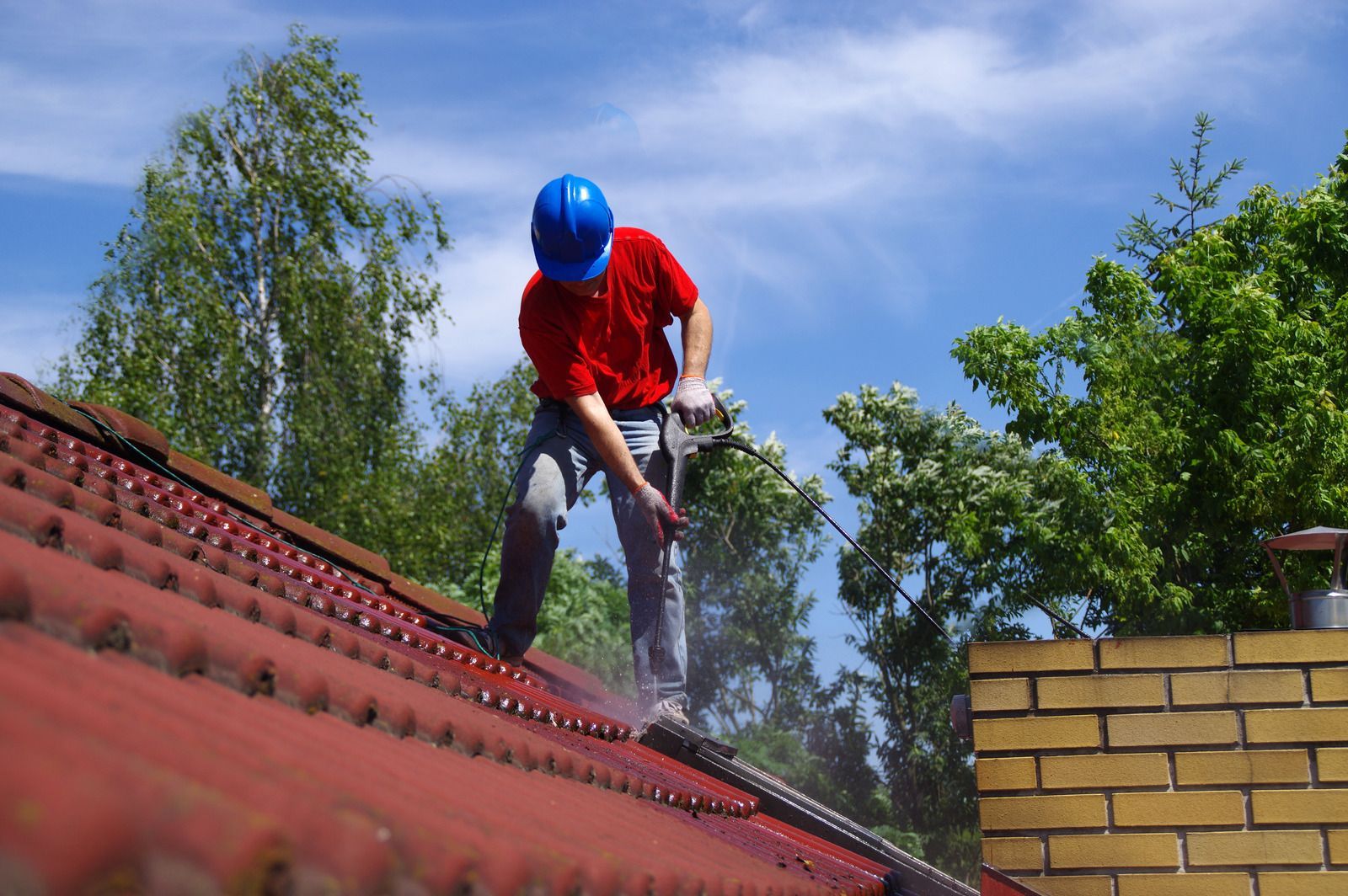
Soft washing means low-pressure water paired with a biocide that kills moss, algae and lichen at the root. It's the same gentle approach whether you've got clay in Lenton or slate in the Lace Market.
The biocide does the real work over the following weeks. Growth dies off and weathers away, so there's no need to hammer the roof to get a result.
It's slower than a jet wash. But it's the difference between a roof that's clean and a roof that's clean and still watertight.
Frequently Asked Questions
Can I tell what my roof tiles are made of from the ground?
Often yes. Slate looks thin, flat and grey, clay tiles are warm red and usually small, pantiles have a clear S-curve, and concrete tiles look chunkier and more uniform.
Does moss damage clay tiles or just look bad?
It does more than look bad. Moss holds water against the tile and its roots work into the porous face, which speeds up wear and can block the gaps water should run through.
Is slate really that fragile?
It's strong under weight but weak under pressure and impact. A jet wash forces water between the layers and splits them, so slate always gets the gentlest treatment.
Why not just pressure wash everything and be done?
Because pressure strips protective surfaces off clay and concrete and cracks slate and pantiles. It looks fast but it shortens the life of the roof.
How often should a Nottingham roof be cleaned?
It depends on shade and tree cover, but many local roofs benefit from a check every few years. North-facing and tree-shaded slopes grow back quicker.
Not sure which covering is on your roof?
Ben's Roof Cleaning works across Nottingham and Nottinghamshire, with over 15 years of experience. Get in touch or call 0115 667 2296
for a free, no-obligation quote.
The right method depends on what's over your head
Nottingham's roofs are a mix of clay, slate and concrete, and they're not all the same job. The covering decides how hard you can push and how you get up there safely.
Match the method to the material and a roof stays clean for years. Guess at it, and you can undo a century of good tiles in an afternoon.